
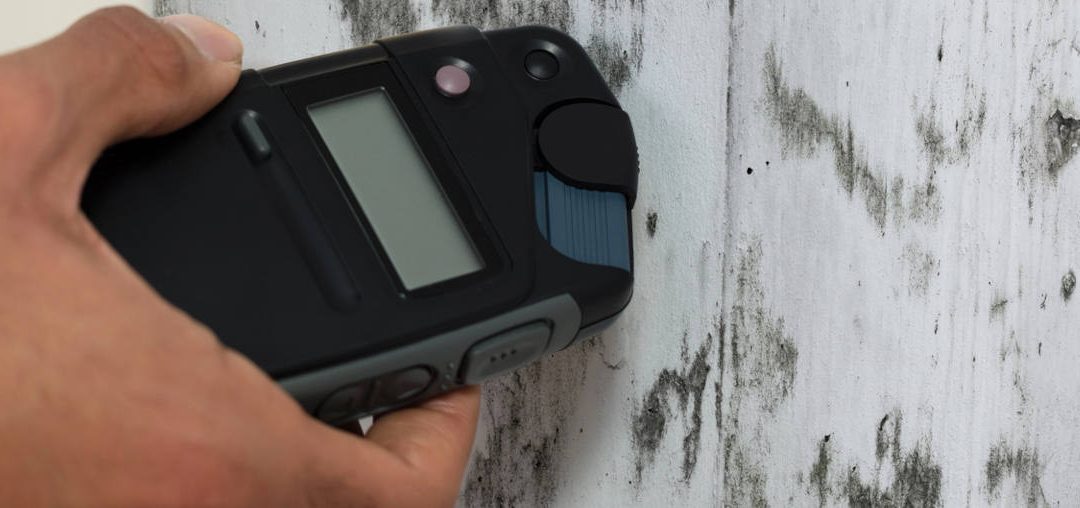
After dealing with a mold infestation in your home, you want to ensure it never returns. While Biosweep of Alabama provides expert mold remediation and restoration services to eliminate the immediate problem, keeping your home mold-free requires some ongoing attention. Mold is a persistent issue that thrives in the right conditions, but there are several proactive steps you can take to prevent it from returning.
Control Moisture Levels in Your Home
Mold loves moisture, so controlling the dampness in your home is crucial to preventing its return. Rooms like basements, bathrooms, kitchens, and laundry rooms are particularly prone to higher humidity, which can create the ideal breeding ground for mold. Maintaining indoor humidity levels below 50% can significantly reduce the risk. A dehumidifier can be a valuable tool for this, especially in areas that tend to feel damp or musty.
Additionally, staying on top of any plumbing or roof leaks is essential. Even a small leak can lead to significant mold growth if left unaddressed, so it’s important to repair leaks promptly to avoid long-term issues.
Ensure Proper Ventilation in Key Areas
Good airflow is essential to keeping mold from developing, especially in high-moisture areas like bathrooms and kitchens. Exhaust fans should be used regularly to move moist air out of these rooms. Condensation can build up on surfaces without proper ventilation, eventually leading to mold growth. If you don’t already have exhaust fans installed, now is a great time to consider adding them.
You might also consider using an air purifier equipped with a HEPA filter to help trap any mold spores circulating in your home. Additionally, after any water spills or leaks, it’s essential to dry the area as quickly as possible to prevent water from lingering.
Improve Drainage Around Your Home
Keeping water away from your home’s foundation is key to preventing mold. If water is allowed to pool near the foundation, it can eventually seep into your basement or crawlspace, creating damp conditions in which mold thrives.
Ensure your yard is graded so water flows away from your home rather than toward it.
Keeping your gutters clean and debris-free is also essential, as clogged gutters can cause water to spill over the edges and pool around the foundation.
If your home’s basement is prone to moisture or flooding, installing a sump pump can help keep it dry and mold-free by pumping excess water away from your home.
Use Mold-Resistant Materials in Problem Areas
It may be worth upgrading to mold-resistant materials in moisture-prone areas like bathrooms or basements to protect your home long-term. For example, mold-resistant drywall and paints are specially designed to prevent mold from taking hold in damp environments. If your home has experienced significant mold damage, incorporating these materials can help prevent future infestations. Additionally, updating insulation in areas like the attic or basement can reduce condensation, another common source of mold growth.
Schedule Regular Mold Inspections
Even though Biosweep of Alabama has professionally treated your home, it’s wise to schedule periodic mold inspections, particularly in previously affected areas. Sometimes mold can grow in hidden areas behind walls or under floors, where you may not notice it immediately. Regular inspections can help detect mold before it becomes a significant issue again.
You should also keep an eye on your HVAC system, as dirty or poorly maintained ducts can harbor mold and spread spores throughout your home. A clean, well-maintained HVAC system can help prevent mold spores from circulating and causing new infestations.
Keep Organic Matter in Check
Organic matter like dust, grease, and dirt can act as food for mold, allowing it to grow more easily. Regular cleaning, especially in areas that tend to stay damp like bathrooms and kitchens, can help prevent this from happening. Use mold-inhibiting cleaners to disinfect surfaces prone to moisture, such as tiles and sinks. Pay extra attention to areas like shower curtains, grout, and under-sink cabinets, where moisture and organic matter tend to accumulate unnoticed.
Monitor Your Indoor Air Quality
If you’re serious about preventing mold from returning, investing in tools that monitor indoor air quality can make a big difference. Humidity sensors can give you real-time data about the moisture levels in your home, alerting you when it rises above safe levels. This can help you act quickly to reduce moisture before it becomes a bigger problem. Another option is to have your air quality professionally tested occasionally to ensure that mold spores aren’t present. This extra step can provide peace of mind and help catch any mold issues early.
Contact Biosweep of Alabama for Inspections
Mold remediation with Biosweep of Alabama is the first and most important step in making your home safe and mold-free. Still, ongoing prevention is key to ensuring it doesn’t return. By controlling moisture, improving ventilation, and using mold-resistant materials, you can keep mold from becoming a problem again. Don’t forget to maintain regular inspections and take steps to address organic matter and air quality. With these proactive measures, you can protect your home and enjoy a healthy, mold-free environment for years to come.
Read More