
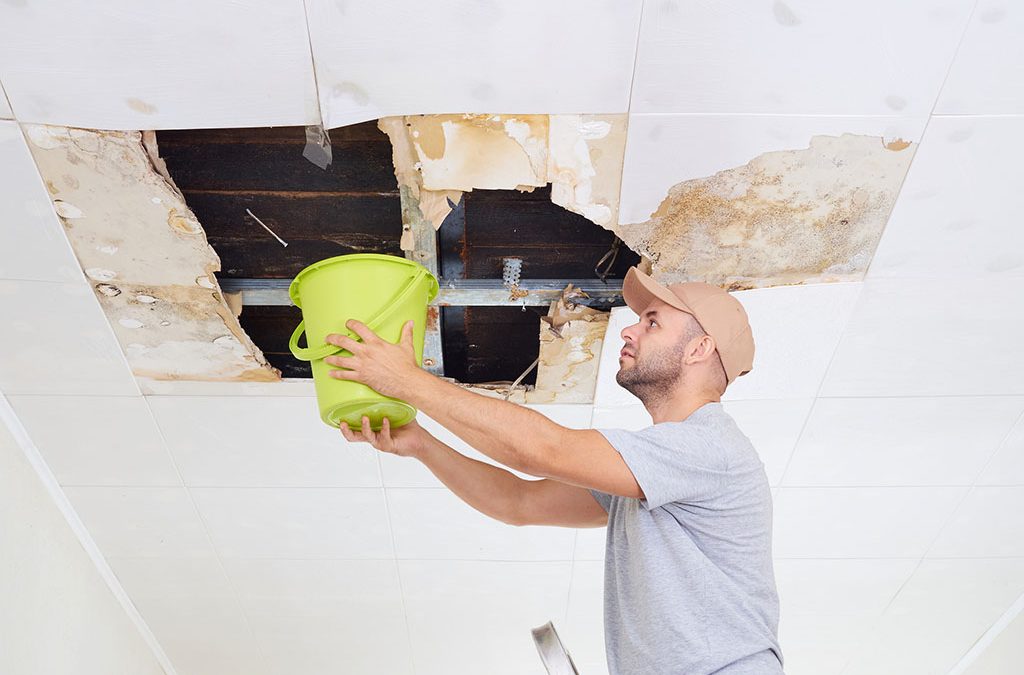
Because your bathroom has high humidity and moisture levels, mold can easily develop and spread if not addressed promptly when discovered. Ignoring mold on your bathroom ceiling can lead to severe health risks and structural damage.
That’s why it’s crucial to understand the steps you should take to assess the problem. At Biosweep of Alabama, we specialize in mold inspection and removal, ensuring your home remains safe and healthy.
Identifying Mold on Your Bathroom Ceiling
The first step in dealing with mold is recognizing its presence. Conduct a thorough visual inspection of your bathroom ceiling, looking for dark spots, discoloration, and fuzzy patches that are telltale signs of mold. A musty odor in the bathroom can also indicate mold growth, even if it’s not immediately visible. Additionally, cautiously feel for dampness or softness in the ceiling, which can signal mold lurking beneath the surface.
Understanding the Causes of Bathroom Ceiling Mold
Mold thrives in moist environments, making bathrooms a perfect breeding ground. High humidity from frequent hot showers can create a damp atmosphere, promoting mold growth. Poor ventilation exacerbates this issue, preventing proper airflow that would help reduce moisture levels. Leaky fixtures or ceiling leaks contribute further to this problem by continuously adding environmental moisture. Lastly, inadequate cleaning habits can allow mold spores to settle and multiply unchecked.
Assessing the Extent of the Problem
Once you’ve identified mold on your bathroom ceiling, it’s important to assess the extent of the problem. Check adjacent areas, such as walls and corners and behind fixtures, to see if the mold has spread. A flashlight can improve visibility to find less obvious mold spots. Pay close attention to whether this is a recurring issue, as frequent mold outbreaks can indicate a deeper underlying problem that needs addressing.
Potential Health Risks
Mold in your home is not just an aesthetic issue; it poses serious health risks. Exposure to mold can trigger allergic reactions, including sneezing, coughing, and skin irritation. For individuals with asthma or other respiratory conditions, mold can exacerbate symptoms, leading to breathing difficulties. Some types of mold, such as black mold, are particularly toxic and can cause severe health problems with prolonged exposure.
Why DIY Solutions Are Not Recommended
While it might be tempting to tackle mold removal on your own, DIY solutions are generally not recommended. Attempting to clean mold without proper protection can expose you to harmful mold spores, posing significant health hazards. Moreover, household cleaners are often ineffective in fully eradicating mold, especially if the mold has penetrated deep into materials. DIY efforts might address surface mold but fail to resolve underlying issues, leading to recurrence.
Steps to Take
If you discover mold on your bathroom ceiling, follow these steps:
- Document the Issue: Take photos and notes of the affected areas. This can be useful for professional assessment.
- Limit Exposure: Avoid spending extended time in the mold-affected bathroom.
- Avoid Disturbing Mold: Do not attempt to clean or remove mold yourself. Disturbing mold in the wrong way can just aid its spread.
- Contact Biosweep of Alabama: Professional inspection and remediation services are essential for safe and effective mold removal.
Addressing mold on your bathroom ceiling promptly and professionally is essential to maintaining a healthy home environment. By recognizing the signs of mold, understanding its causes, and assessing the extent of the problem, you can take the necessary steps to protect your health and property. Remember, DIY solutions are often ineffective and can pose health risks, so it’s best to leave mold removal to the experts. Biosweep of Alabama is here to provide thorough inspection and remediation services, ensuring your home is safe from the dangers of mold.