
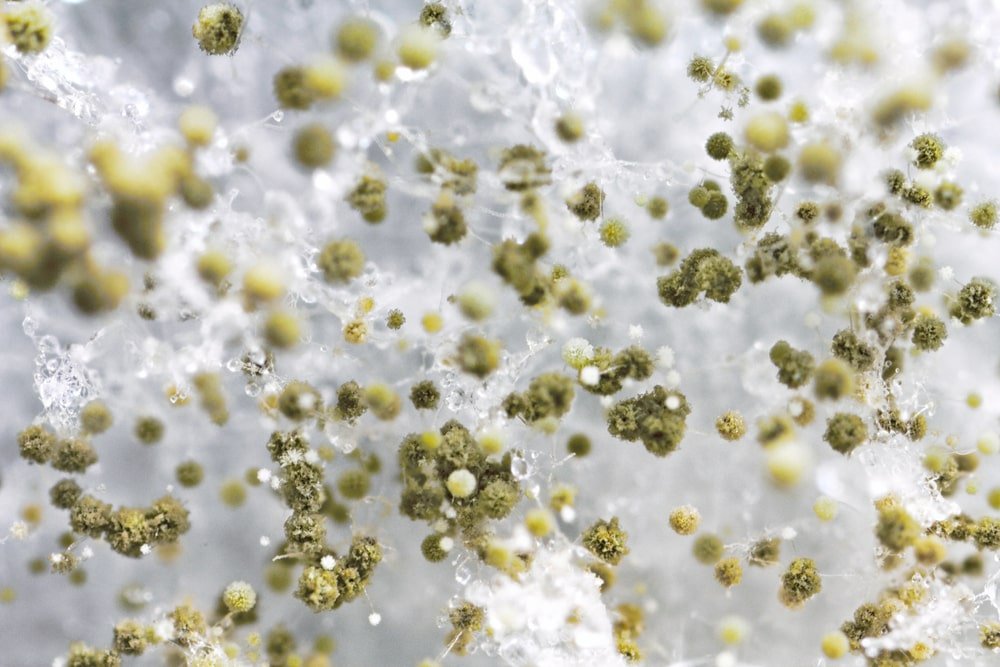
Mold is a persistent issue for homeowners, and understanding how it grows is key to preventing it. One of the most common questions is, “Can mold grow without moisture?” The short answer is no.
However, mold is more complex than needing water to thrive, and its spores can be tricky to manage once in your home.
What Is Mold?
Mold is a type of fungus that exists both indoors and outdoors. In nature, it plays a crucial role in breaking down organic matter, such as dead trees and leaves. Indoors, however, mold is less welcome.
Mold reproduces by releasing microscopic spores into the air. These spores can easily enter homes through windows, doors, vents, and even on your clothing. While these spores are often harmless in small amounts, they can quickly become a problem if they land on a moist surface.
Moisture: The Key Ingredient for Mold Growth
The essential factor in mold growth is moisture. Mold requires water to survive and grow, and without it, mold spores will remain dormant. Moisture can come in many forms—humidity in the air, leaks from a pipe, or condensation on walls. When mold spores come into contact with moisture, they begin to grow and spread, feeding on organic materials like wood, paper, and fabric.
Bathrooms, kitchens, and basements are particularly vulnerable to mold because these areas tend to have higher moisture levels. Mold can also thrive in less obvious places, such as behind wallpaper, under carpeting, or inside your HVAC system, all areas where moisture can accumulate.
Can Mold Grow Without Moisture?
The simple answer is that mold cannot grow without moisture. Mold spores, however, can remain dormant for long periods in dry conditions. While they won’t actively grow or spread without moisture, they don’t disappear either. Once moisture is reintroduced into an environment where mold spores are present, they can quickly reactivate and start growing again.
This means that even if you believe your home is dry, small amounts of moisture can still trigger mold growth. For example, a slightly damp towel or an area of condensation behind furniture can provide just enough moisture for mold to develop.
Unexpected Sources of Moisture That Encourage Mold Growth
It’s not always obvious where moisture is hiding in your home. While some leaks or damp spots are easy to spot, mold often takes advantage of more hidden or less noticeable water sources. Here are some common, yet often overlooked, ways moisture can contribute to mold growth:
- Condensation: This often occurs on windows, walls, and pipes, especially in colder weather or in areas with poor insulation.
- Humidity: High indoor humidity levels can create a damp environment, especially in basements, attics, or poorly ventilated areas.
- Leaking pipes or roofs: Even a tiny leak can provide enough moisture for mold to grow over time.
- Damp materials: Wet towels, clothing, or sponges left in warm environments can encourage mold growth if not properly dried.
By understanding these potential sources of moisture, you can be more proactive in controlling your home’s environment and reducing the mold risk.
Preventing Mold Growth by Controlling Moisture
Since moisture is essential for mold growth, preventing excess moisture is the key to keeping mold at bay. Here are several strategies to help you reduce the risk of mold forming in your home:
- Use Dehumidifiers: In high-humidity areas like basements, a dehumidifier can effectively keep moisture levels low.
- Fix Leaks Quickly: A slow drip under the sink or a leaky roof might seem like a minor issue, but these can quickly become breeding grounds for mold. Make sure to repair leaks as soon as you notice them.
- Improve Ventilation: Make sure rooms prone to moisture, like kitchens and bathrooms, are well-ventilated. Use exhaust fans to reduce moisture levels during cooking or showering.
- Seal Windows and Doors: Proper sealing can prevent condensation from building up around windows and doors, especially in colder months.
- Regularly Inspect Vulnerable Areas: Attics, basements, and crawl spaces should be checked regularly for signs of moisture or mold.
By taking these proactive steps, you can significantly reduce the likelihood of mold growth in your home.
What to Do if You Suspect Mold in Your Home
If you suspect mold may be growing in your home, acting quickly is essential. While small mold patches can sometimes be managed with cleaning solutions, widespread mold growth often requires professional intervention. It’s also important to remember that mold is not always visible. It can grow behind walls, under flooring, or in other hidden areas.
At Biosweep of Alabama, we specialize in mold inspections, testing, and remediation. We use advanced techniques to identify and eliminate mold at its source. Whether you’re dealing with visible mold or want to ensure your home is safe, our team can help you address the problem before it worsens.
Conclusion: Mold Cannot Grow Without Moisture, But Prevention Is Ke
In summary, mold cannot grow without moisture, but that doesn’t mean you’re entirely in the clear. Mold spores are always present in the environment, and as soon as moisture appears, they can start growing again. The best way to prevent mold in your home is to control moisture levels, act quickly to fix any leaks, and ensure proper ventilation in high-humidity areas.
If you’re concerned about mold or suspect it might be an issue in your home, don’t wait for the problem to grow. Contact Biosweep of Alabama for expert mold testing and remediation services. We can help protect your home and your health by keeping mold at bay.
Read More: