
Homeowners dealing with mold problems often wonder if a dehumidifier can provide a simple solution. Unfortunately, the answer is generally no. While dehumidifiers can help reduce humidity levels and make conditions less conducive to mold growth, they are not a comprehensive solution for stopping or removing mold. In fact, their limitations make them an inadequate tool for addressing most mold problems. Let’s examine why this is the case and explore how to deal with mold in your home.
What Dehumidifiers Can Do
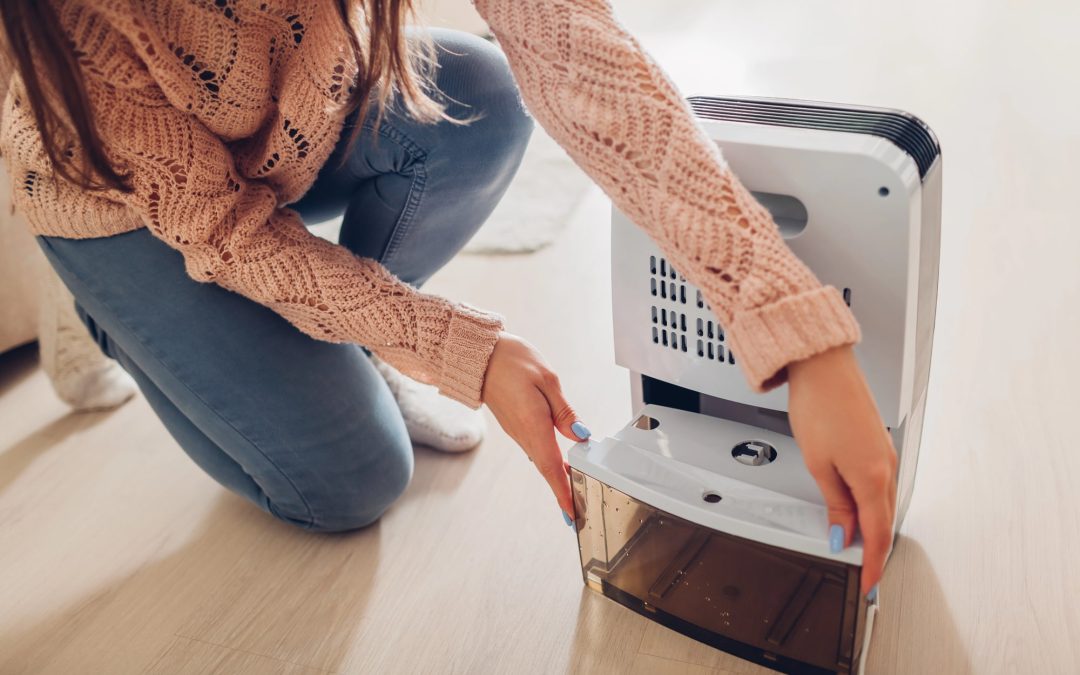
Dehumidifiers are designed to reduce the relative humidity in a space, typically by pulling moisture from the air and condensing it into water that can be collected or drained away. Lower humidity can slow the spread of mold by reducing the moisture mold needs to thrive. In some rare cases, such as when high humidity causes condensation that leads to damp surfaces, a dehumidifier may address the immediate source of the problem. However, even in these instances, a dehumidifier acts as a temporary or partial solution rather than a permanent fix.
Michael Taylor, a researcher who has extensively analyzed the relationship between humidity, mold, and dehumidifiers, points out a critical limitation: the amount of moisture a dehumidifier can remove is often dwarfed by the moisture present in an average home. Taylor notes that many dehumidifiers available to homeowners are not powerful enough to handle significant spaces or persistent damp conditions. A typical dehumidifier might extract about 20 liters of water per day under optimal conditions, but larger homes—or those with chronic water issues—can harbor far more moisture than these devices can manage.
Why Dehumidifiers Fall Short Against Mold
One of the primary reasons dehumidifiers cannot solve mold problems is that they do not address the root cause of mold: excess moisture in the home. Mold growth is often a symptom of underlying issues, such as leaks, poor ventilation, or drainage problems. While reducing humidity can make the environment less ideal for mold, the mold itself will not disappear. Mold can enter a dormant state when conditions are dry, but it remains alive and capable of growing again as soon as moisture becomes available.
Dehumidifiers also cannot kill mold. Even the most efficient dehumidifiers can only remove airborne moisture; they do nothing to address mold colonies already established on surfaces. These colonies can release spores into the air, which not only spread the problem but can also pose health risks to residents. Mold spores are allergenic and, in some cases, toxic, making professional removal essential.
The Reality of Water Problems in the Home
Mold growth almost always indicates a more significant water problem in the home. Whether it’s a leaky pipe, poor insulation, or water intrusion from outside, addressing the root cause of moisture is the only way to prevent mold from returning. Dehumidifiers are not equipped to resolve these structural or systemic issues. They can only mitigate high humidity levels, and even then, their effectiveness is limited by the size and capacity of the device compared to the scale of the problem.
As Taylor explains, dehumidifiers are best suited for small, localized dampness issues—not widespread or persistent moisture problems. Homeowners who rely solely on dehumidifiers risk overlooking or delaying the necessary repairs and interventions that can eliminate the source of mold growth. Ignoring these issues allows mold to continue spreading and potentially causing further damage to the property.
A Better Way to Handle Mold Problems
When mold is present, the best course of action is professional mold remediation. Companies like Biosweep of Alabama specialize in identifying and addressing the sources of mold growth. Professional mold inspectors can assess your home to locate water intrusion points and provide solutions to eliminate the underlying causes of moisture. Once the root issue is resolved, remediation experts use advanced techniques to safely remove mold colonies and ensure the problem does not return.
In addition to mold removal, Biosweep of Alabama offers services to treat the air and surfaces in your home to eliminate lingering spores and odors. These steps are essential to creating a clean and healthy environment, something no dehumidifier can achieve on its own. By addressing both the symptoms and causes of mold, professional remediation provides long-term peace of mind and protection for your home.
Contact Us Rather Than Buying a Dehumidifier
While a dehumidifier can help reduce humidity and slow mold growth, it is not a standalone solution for mold problems. Most dehumidifiers lack the power to significantly impact the moisture levels in a typical home, as highlighted by Michael Taylor’s analysis of their limitations. Mold growth is a sign of deeper water issues that require professional attention. Simply drying the air will not remove mold colonies or prevent them from returning.
If you are facing a mold problem, the best action is to contact a qualified mold inspection and remediation company like Biosweep of Alabama. Our experts can help you identify the source of moisture, eliminate mold safely, and restore your home to a healthy, mold-free state. Don’t let mold compromise your home’s safety and value—contact us today to schedule an inspection.
Read More