
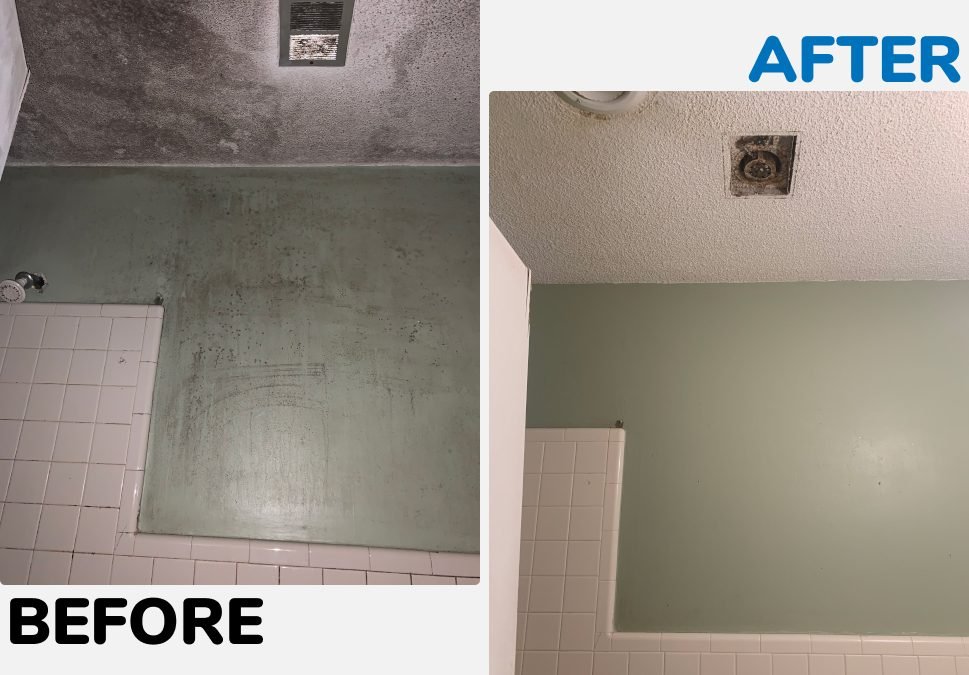
Water damage can be a silent threat to your home, creeping into walls, ceilings, and floors before you even realize it. If left unaddressed, it can affect a building’s structural integrity, promote mold growth, and lead to costly repairs. Recognizing the signs early can make a significant difference, allowing for timely intervention. At Biosweep of Alabama, we specialize in water damage restoration and offer build-back services that restore your space to its original state.
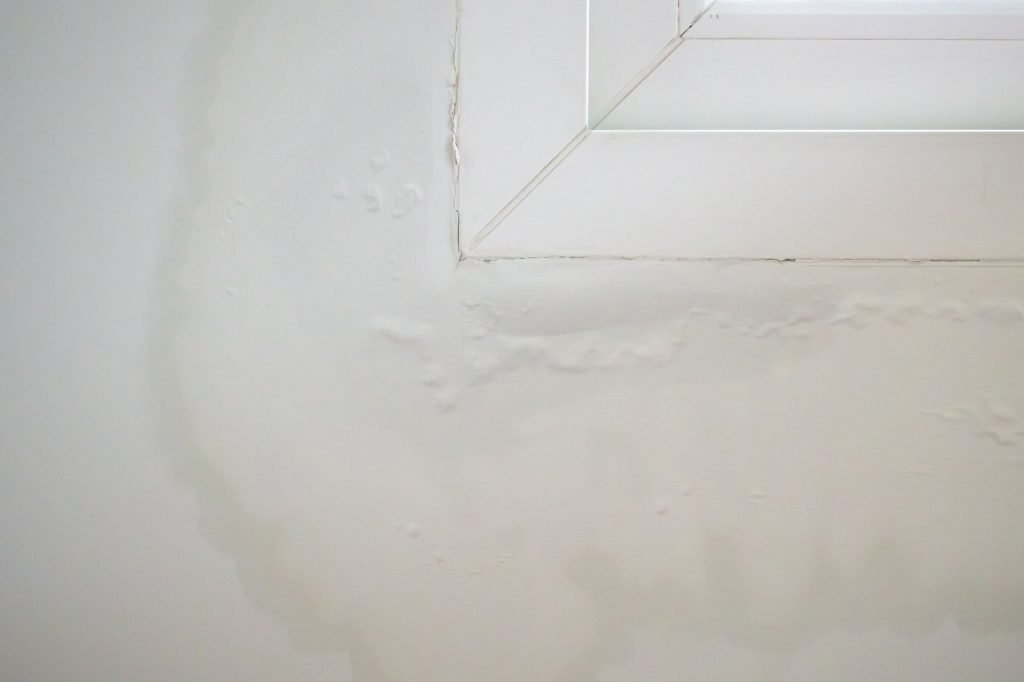
What Water Damage on Walls Looks Like
One of the most common areas where water damage occurs is on walls, as they often hide plumbing lines or sit directly in the path of flooding.
Water damage on walls usually manifests as discoloration, which appears as yellowish or brown stains in irregular shapes. These stains can often grow over time, becoming more prominent as moisture accumulates behind the wall.
Another telltale sign is peeling or bubbling paint and wallpaper. When water infiltrates the wall, it causes the paint or wallpaper to lift, bubble, or peel, indicating that the underlying drywall or plaster has been compromised.
Warping or swelling is another red flag; as moisture seeps in, it can cause the drywall to expand, resulting in bulges or areas where the wall appears uneven. In some cases, you may even feel these swollen areas if you run your hand over the wall’s surface.
Causes and Solutions
The causes of wall water damage are often traced back to plumbing leaks inside the walls, roof leaks, or even flooding from other home areas. If you notice any of these signs, acting quickly is essential. Water damage can spread; waiting to address it could lead to more extensive repairs. Biosweep of Alabama can assess the situation, stop the water intrusion, and restore your walls, ensuring they look as good as new.
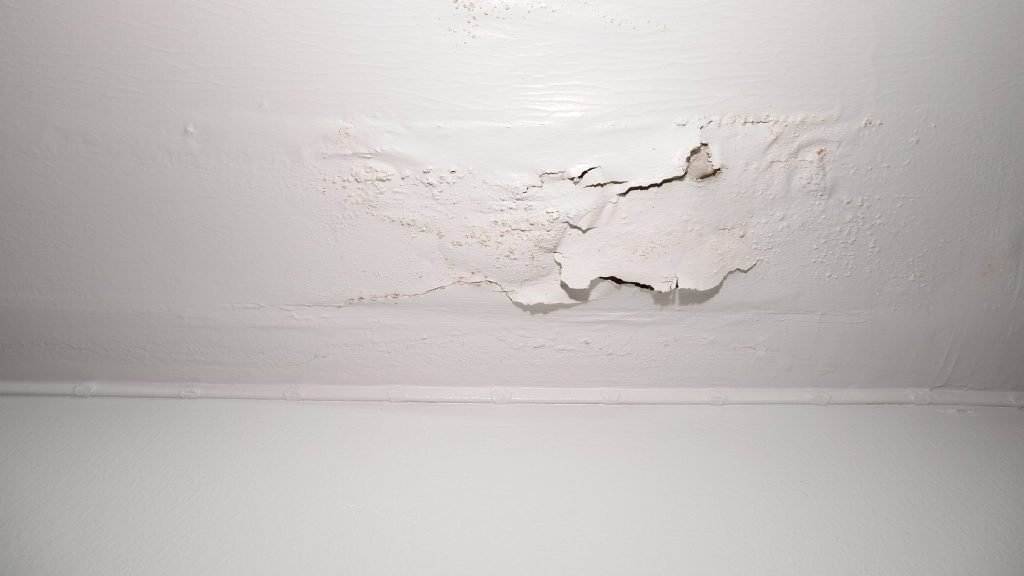
What Water Damage on Ceilings Looks Like
Ceilings can show some of the most visible signs of water damage, especially if a significant leak occurs.
One of the most noticeable indicators is sagging or drooping ceilings. When water pools on a ceiling, the weight can cause it to sag, making it look like the surface is bulging downward. This is a severe sign of damage, as it often indicates a significant amount of water accumulation above, which could cause a collapse if left untreated.
Staining is another common sign of water damage on ceilings, which typically appears as dark brown or yellow spots. These stains often have a circular or irregular shape and can expand over time if the water source isn’t addressed. Sometimes, the stains may darken, indicating the water damage is worsening.
Mold growth is also a frequent byproduct of ceiling water damage. It could be mold if you see dark spots or fuzzy patches on the ceiling, especially in humid or poorly ventilated areas like bathrooms. Mold often appears as small black, green, or white spots and may spread in a circular pattern. Not only is mold unsightly, but it can also pose health risks if not removed properly.
Causes and Solution
Ceiling water damage is often caused by leaking roofs, plumbing issues, or flooding from upper floors. If you see any of these signs, addressing the problem immediately is crucial. Biosweep of Alabama’s team can expertly handle ceiling restoration, from cleanup to complete build-back services, ensuring your ceiling is safe and aesthetically pleasing.
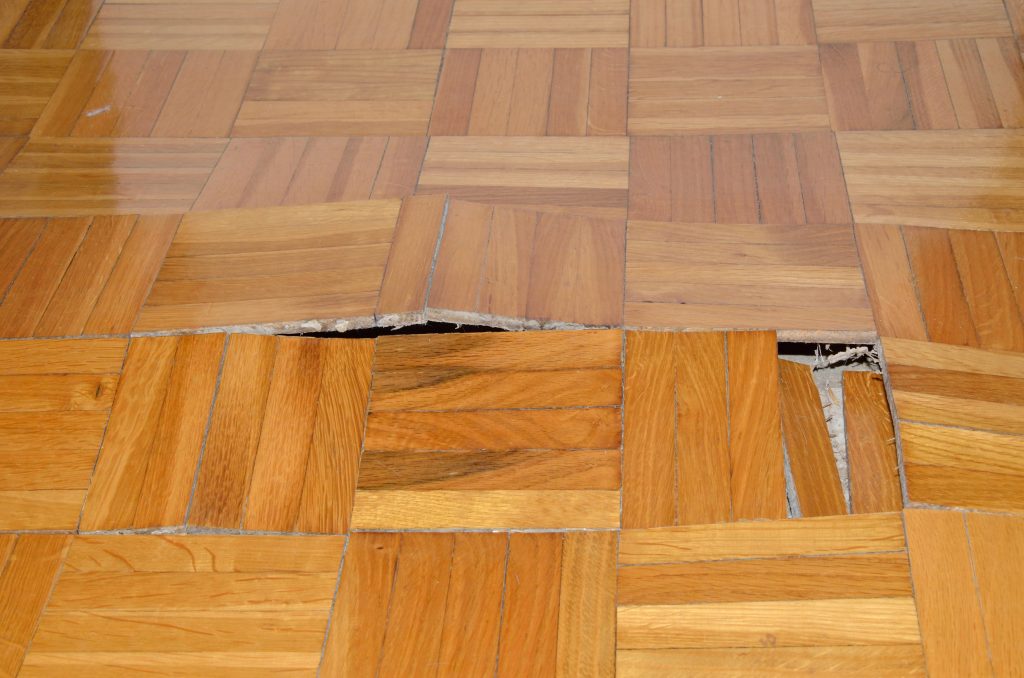
What Water Damage on Floors Looks Like
Floors can also bear the brunt of water damage, with issues that may range from subtle to severe. Warped or buckling floors are a common sign, especially with hardwood. When wood absorbs water, it can expand, causing it to lift or buckle. You might notice this as uneven planks or gaps that were not there before. Tile floors can also be affected, as water can loosen the adhesive that holds tiles in place, resulting in loose or cracked tiles.
If your floors feel soft or spongy underfoot, this could indicate prolonged water exposure, particularly in wooden or carpeted areas. This sponginess suggests that the underlying materials, such as subflooring, may have absorbed a considerable amount of moisture, compromising their stability. Along with physical signs, musty odors can often be a key indicator of water damage on floors. When water gets trapped beneath carpets or floorboards, it creates an environment conducive to mold and mildew, leading to unpleasant smells that can permeate the entire room.
Causes and Solution
Basement flooding, broken pipes, and unaddressed spills are common culprits behind floor water damage. If you detect any of these signs, contacting Biosweep of Alabama can help mitigate the damage. Our team is equipped to handle everything from hardwood and carpet to tile restoration, ensuring your floors are safe, dry, and properly restored.
Other Areas Prone to Water Damage
Water damage isn’t limited to walls, ceilings, and floors; it can also affect other areas of your home. Windowsills and door frames, for example, are particularly vulnerable to water damage. You might notice warping, rot, or peeling paint around these areas, which are often exposed to leaks or high humidity levels. Additionally, crawl spaces and basements can be hotspots for water accumulation, especially in homes with poor drainage systems. Standing water, mold growth, and musty odors in these areas can indicate long-term issues that need professional attention.
Furniture and other belongings close to water-damaged areas can also suffer. Discoloration, warping, or mold on furniture often points to hidden water issues nearby. In these cases, it’s essential to address both the water damage and the affected items to prevent further spread of mold and mildew.
Recognizing the signs of water damage early is crucial for minimizing the impact on your home and wallet. Prompt action can make all the difference if you’re dealing with discoloration on walls, sagging ceilings, or warped floors. At Biosweep of Alabama, we specialize in comprehensive water damage restoration and build-back services, ensuring your space is returned to its pre-damaged state. Don’t hesitate to reach out if you’ve noticed any of the signs described above. Our team is here to restore your home to its original condition, leaving it safe, dry, and beautiful again.
Read More