
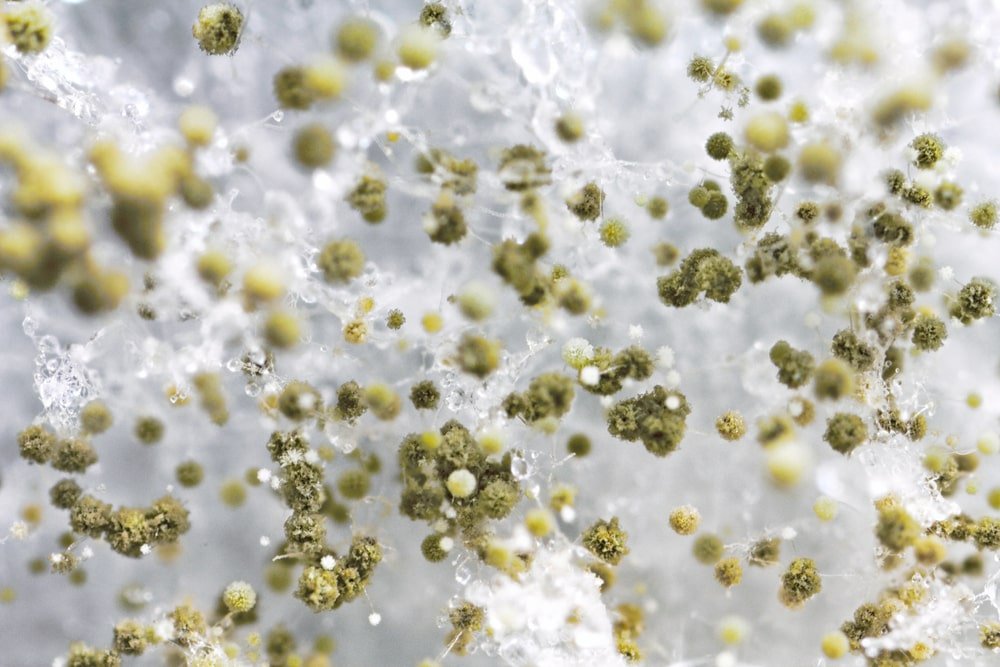
Mold is a persistent issue for many homeowners, especially in humid regions like Alabama. Its presence is not just an unsightly nuisance but a clear sign of a deeper problem—water intrusion. Many people turn to bleach as a quick fix, assuming it will eliminate mold entirely. However, bleach is not the solution it appears to be. Using bleach can often make the problem worse. This article explores why bleach fails, the importance of addressing underlying moisture issues, and how mold remediation professionals like Biosweep of Alabama can provide a comprehensive solution.
Water Damage Causes Mold
Mold doesn’t grow without moisture. Spotting mold in your home is a warning sign of an underlying water intrusion issue. Leaking pipes, roof damage, high humidity levels, or poor ventilation can all contribute to mold growth. Addressing the mold without fixing the water problem is like treating a symptom without curing the disease—it might provide temporary relief, but the issue will return.
Water intrusion creates the damp conditions mold needs to thrive in, often hidden behind walls, under flooring, or in attics. Professional water damage remediation, like the services offered by Biosweep of Alabama, is essential for tackling the root cause. By repairing leaks, improving ventilation, and drying affected areas, professionals eliminate the conditions mold needs to survive.
Why Bleach is Not Effective Against Mold
While bleach is often marketed as a powerful disinfectant, its effectiveness against mold is limited for several reasons.
Surface-Level Action Only
Bleach can remove visible mold stains on non-porous surfaces like glass or tiles, but it cannot penetrate porous materials such as wood, drywall, or fabric. Mold grows deep within these materials, sending roots, or “hyphae,” into their structure. Bleach only addresses what’s on the surface, leaving the mold roots intact. Without removing these roots, the mold can easily regrow.
Feeding the Problem
Bleach is mostly water; when applied to a moldy area, the chlorine quickly evaporates, leaving moisture behind. This residual water can feed the mold, encouraging it to grow back more aggressively. Rather than eliminating mold, bleach can inadvertently make the problem worse.
Health Risks of Bleach Use
Bleach emits toxic fumes that irritate the eyes, skin, and respiratory system. Using bleach in enclosed spaces, where mold is often found, can intensify these risks. Also, mixing bleach with other cleaning products can produce dangerous gases that can seriously threaten your health.
The Importance of Professional Mold Remediation
Mold is more than just a surface problem—it’s a structural and environmental issue that requires a professional approach. Biosweep of Alabama specializes in comprehensive mold remediation, tackling both the visible mold and the underlying water damage.
Advanced Techniques for Mold Removal
Unlike bleach, professional mold removal methods penetrate porous materials to eliminate mold at its roots. Biosweep uses cutting-edge technology and proven techniques to ensure thorough mold removal.
Addressing Water Intrusion
Biosweep doesn’t just stop at removing mold; they also identify and repair the sources of water damage that caused the mold in the first place. By addressing leaks, improving ventilation, and reducing indoor humidity, they ensure that mold won’t return.
Preventing Mold Growth in the Future
Once mold and water damage have been addressed, prevention becomes key. Homeowners can take several steps to reduce the risk of future mold growth:
- Monitor Humidity Levels: Use a dehumidifier in areas prone to dampness, such as basements or bathrooms.
- Fix Leaks Promptly: Repair any dripping pipes or roof leaks as soon as they’re detected.
- Ensure Proper Ventilation: Install exhaust fans in bathrooms and kitchens, and ensure air circulates throughout your home.
- Regular Inspections: Periodically check for signs of water damage or mold in hidden areas, such as behind furniture or in crawl spaces.
The Risks of Ignoring Mold
Failing to address mold promptly and effectively can lead to serious consequences. Mold can damage your home’s structural integrity, degrade indoor air quality, and exacerbate health issues such as allergies, asthma, and other respiratory conditions.
Removing mold with bleach may seem like a cost-effective solution, but it’s a shortcut that can cost you more in the long run. Without proper treatment, mold will continue to spread, potentially causing extensive damage that requires costly repairs.
Trust Biosweep of Alabama for Mold and Water Damage Solutions
Bleach is not the answer to your mold problem. You need a solution beyond surface cleaning to protect your home and health. Biosweep of Alabama offers a comprehensive approach to mold remediation, addressing the visible mold and the underlying water issues that allow it to grow.
Our experienced team uses advanced technology to remove mold safely and effectively, ensuring it doesn’t return. By resolving water intrusion problems and implementing preventative measures, Biosweep restores your home to a clean and healthy state.
Don’t risk your health or your home’s safety using ineffective solutions. Contact Biosweep of Alabama today to schedule a professional mold inspection and remediation service. Together, we can tackle the root of the problem and eliminate mold for good.