
Homeowners don’t often think about their crawl space. It’s not a place anyone spends time in, and it’s certainly not high on the list of areas to inspect during spring cleaning. But despite its low profile, the crawl space can pose one of the biggest threats to your home’s health and safety: mold.
Mold thrives in dark, damp, and poorly ventilated spaces. That description fits many crawl spaces perfectly. And because this part of the home is often overlooked, mold can grow unnoticed for months or even years. So the answer to the question, “Should I worry about mold in my crawl space?” is an emphatic yes.
Not because every crawl space has mold, but because when it does, the consequences can be serious, and often go undetected until the damage is done.
Why Crawl Spaces Are Vulnerable to Mold
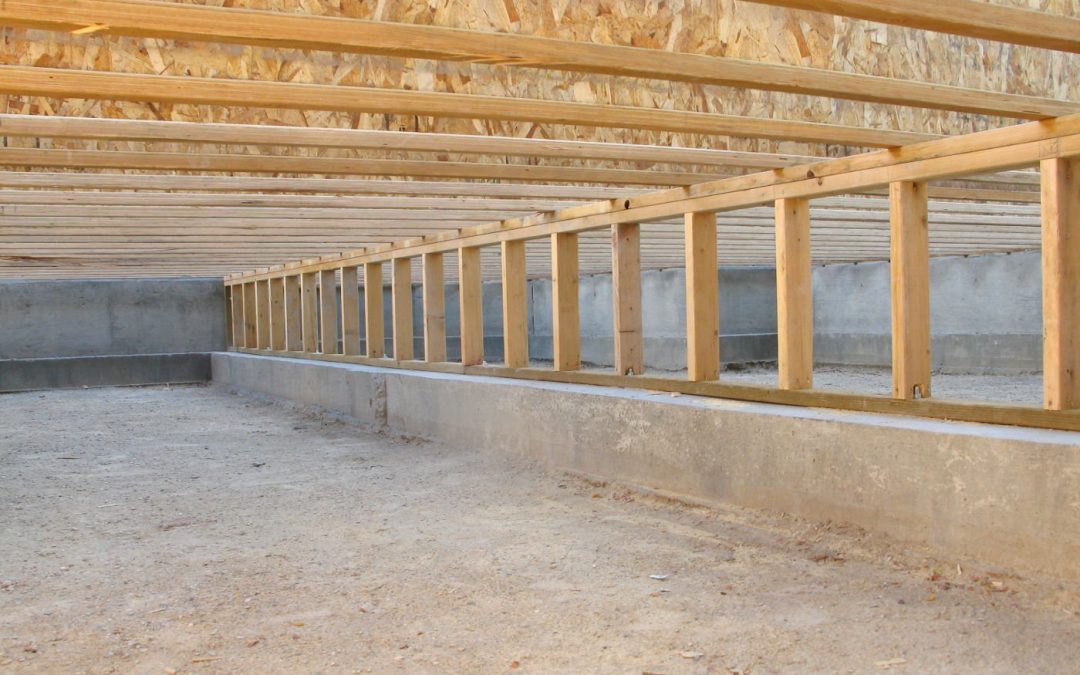
A crawl space is essentially a shallow, unfinished area beneath the home that often contains insulation, wiring, and plumbing. It’s also directly exposed to the soil and air beneath the house, which creates a naturally humid environment. When you add in factors like poor drainage, leaky pipes, or improperly vented dryers, the moisture level can rise quickly.
Crawl spaces are also typically dark and enclosed. There’s little air circulation and no sunlight to naturally dry things out. Organic materials like wood joists, paper-backed insulation, and even certain types of insulation foam serve as a buffet for mold spores. With the right level of moisture and a stable temperature, mold can begin to grow in as little as 24 to 48 hours.
Even newer homes or homes that are well-maintained above ground can develop crawl space mold. Heavy rains, plumbing mishaps, or even a malfunctioning HVAC system can introduce enough moisture to start the process. And because crawl spaces are rarely inspected, mold has time to spread and take root before it’s ever discovered.
Recognizing the Signs of Crawl Space Mold
One of the tricky things about mold in crawl spaces is that it doesn’t always make itself obvious. You might never crawl under the house yourself, and even if you do, mold can hide behind insulation or along framing that’s not easily visible. Still, there are signs—both subtle and overt—that may indicate a problem.
A musty odor in the home, especially in lower levels or near floor vents, is often the first clue. That smell is a direct result of microbial volatile organic compounds (MVOCs) released by mold during its growth process. Many homeowners notice this smell but dismiss it as “just the old house” or “basement smell,” not realizing it’s actually a warning signal.
Health symptoms are another indicator. Mold can aggravate allergies, trigger asthma, and cause respiratory irritation even in people without known sensitivities. If you or your family members experience increased sneezing, coughing, eye irritation, or breathing issues at home—but feel fine elsewhere—it may be time to consider whether indoor mold is the cause.Other clues might be visual, though they may not point directly to mold. Warped or buckling hardwood floors can indicate moisture rising from below. Damp or deteriorating insulation near the baseboards, signs of pest infestations, or increased humidity inside the home can all be connected to moisture—and potentially mold—in the crawl space.
The Dangers of Crawl Space Mold
When mold is found in the crawl space, the risk extends far beyond that confined area. One of the biggest concerns is air quality. A significant portion of the air inside your home rises from the lower levels through a process called the “stack effect.” If mold spores are present in the crawl space, they can be pulled upward and circulated throughout the house.
This air movement brings allergens and irritants into your living spaces, which can have an especially profound effect on young children, the elderly, or anyone with respiratory conditions. Long-term exposure to mold—even indirectly—can lead to chronic sinus problems, fatigue, headaches, and worsening asthma.
Beyond health concerns, mold can wreak havoc on your home’s structural integrity. It feeds on organic materials, meaning it can eat away at the wood supporting your floors, weaken subflooring, and destroy insulation. Over time, unchecked mold growth can compromise joists and beams, creating costly and dangerous damage that goes far beyond simple cleaning.
There’s also the issue of resale value. If a home inspector finds mold in your crawl space during the selling process, you may lose a potential buyer or be forced to significantly reduce your asking price. Mold remediation becomes not just a repair expense, but a negotiating point that can affect your bottom line.
What to Do If You Suspect Mold in the Crawl Space
If you even suspect there might be mold under your house, the most important thing is not to ignore it. Don’t attempt to crawl under the home without proper protective gear. Mold spores can be inhaled easily, and without proper containment, your presence might stir up more than you can see.
The best course of action is to hire a certified mold inspector. These professionals can assess the severity of the problem, identify what type of mold is present, and determine how far it has spread. They will also look for the underlying source of moisture, which is critical to stopping the problem from returning.
Once mold is confirmed, professional remediation is usually necessary. DIY treatments with bleach or store-bought sprays rarely work in a confined space like a crawl space, and often make things worse by disturbing spores without eliminating them. Professional remediation includes containment, removal, and often the application of treatments that prevent regrowth.
It’s also essential to address the cause of the moisture. That might mean fixing a leaky pipe, improving drainage around the foundation, or installing a dehumidifier. Many homeowners opt for crawl space encapsulation at this stage. This process involves sealing the crawl space with heavy-duty vapor barriers, adding insulation, and sometimes conditioning the air. Encapsulation not only prevents mold but also helps regulate temperature and reduce energy costs.
Mold in the Crawl Space Is Not a Minor Problem
Crawl space mold might be out of sight, but it should never be out of mind. Its effects on your home’s air quality, structure, and safety are real and far-reaching. The longer it goes unnoticed, the worse the consequences become.If you’ve noticed musty smells, allergy symptoms, or other signs of moisture, don’t delay. A certified mold inspection followed by professional remediation can stop the problem at its source and protect both your home and your health. Peace of mind starts with knowing what’s under your house—and making sure it stays clean, dry, and safe.
Why BIOSWEEP® of Alabama Is the Best Choice for Crawl Space Mold Removal
When it comes to mold removal in crawl spaces, not all services are created equal. The unique conditions in a crawl space (tight quarters, low ventilation, and exposure to moisture) make mold remediation especially challenging. You need a company with the right technology, experience, and commitment to thoroughness. That’s where BIOSWEEP® of Alabama stands out.BIOSWEEP® of Alabama specializes in mold removal in hard-to-reach areas like crawl spaces, attics, and wall cavities. Our team doesn’t just clean the surface; we eliminate mold at the molecular level using advanced technology and proven protocols. Unlike many companies that rely on outdated or temporary fixes, BIOSWEEP® goes far beyond bleach or fogging.
What truly sets BIOSWEEP® apart is our attention to detail and focus on long-term results. Every crawl space is different, and their technicians tailor each remediation plan to fit the specific conditions in your home. Whether the issue is the result of a plumbing leak, poor ventilation, or just high seasonal humidity, BIOSWEEP® will identify the root cause and advise you on how to prevent recurrence—because real mold removal isn’t complete without solving the moisture problem.
If you’re facing crawl space mold, don’t trust your health and your home to shortcuts or guesswork. BIOSWEEP® of Alabama offers peace of mind with professional, science-based mold remediation backed by a service guarantee. When they’re done, your crawl space isn’t just clean—it’s protected.
Learn More