
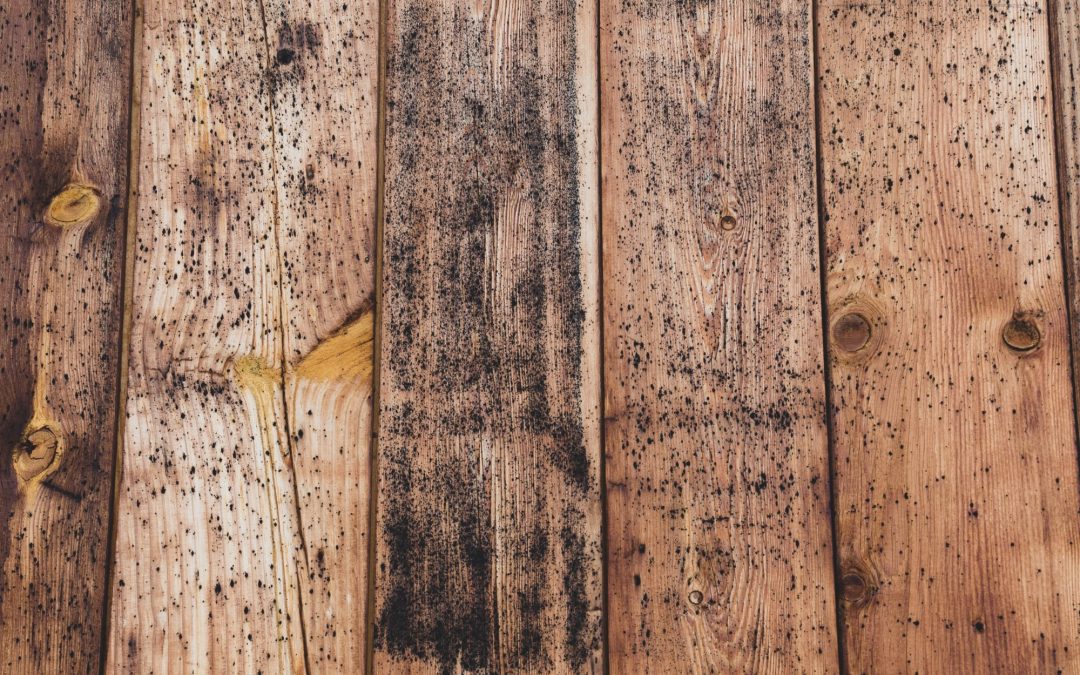
Mold is a common problem for homeowners, especially when it comes to wood surfaces. While mold growth on wood may start as a cosmetic issue, it can quickly become a serious structural problem if left untreated. If you understand how mold affects wood at a scientific level, you will recognize the need for professional mold remediation.
How Mold Affects Wood: The Science Behind the Damage
Wood is an organic material, composed primarily of cellulose, hemicellulose, and lignin. These components provide structural integrity to wood and serve as a food source for various organisms—including mold. When mold spores settle on wood and encounter the right conditions (moisture, warmth, and organic material), they begin to grow and spread.
The Role of Cellulose in Mold Growth
Cellulose, the primary structural component of wood, is an excellent food source for mold. Various mold species, including Aspergillus, Cladosporium, and Stachybotrys (commonly known as black mold), break down cellulose through enzymatic processes. These molds release extracellular enzymes that degrade cellulose into simpler compounds, which the mold absorbs for energy and growth.
As mold digests cellulose, the wood begins to lose its structural integrity. This degradation can lead to softening, warping, and eventual disintegration of the wood. The longer mold is left untreated, the more significant the damage becomes.
Moisture: The Catalyst for Mold Growth on Wood
Mold cannot thrive without moisture. Wood absorbs and retains moisture from its environment, whether from high humidity, flooding, or leaks. When moisture content in wood exceeds 20%, mold has the perfect conditions to colonize.
High moisture levels also encourage fungal decay, which differs from mold but often occurs in tandem. Fungal decay leads to rot, which can ultimately compromise the strength of wooden structures. Three main types of fungal rot often accompany mold growth:
- Brown Rot: This type of rot primarily affects softwoods and breaks down cellulose, causing the wood to become brittle and crumble into cube-shaped fragments.
- White Rot: More common in hardwoods, white rot breaks down both cellulose and lignin, leaving the wood spongy and discolored.
- Soft Rot: This rot occurs in conditions where brown and white rot fungi cannot thrive, such as extremely wet or slightly cooler environments. Soft rot causes slow deterioration of wood fibers.
Because mold growth often signals moisture problems, addressing mold without fixing the underlying moisture source is ineffective. Even if surface mold is removed, new growth will quickly occur in damp conditions.
How Mold Weakens Wood Over Time
Once mold establishes itself on a wooden surface, it produces mycelium—a network of fungal threads that penetrate deep into the wood fibers. This mycelial growth accelerates the breakdown of cellulose and hemicellulose, weakening the wood at a microscopic level.
- Early Stages (0-2 weeks): Mold spores settle and begin spreading across the surface of the wood.
- Intermediate Stages (2-6 weeks): Mycelium spreads within the wood, breaking down cellulose and leading to minor softening.
- Advanced Stages (6+ weeks): Significant degradation occurs, resulting in compromised structural integrity. In severe cases, wood can become unsafe for use in framing, flooring, or furniture.
Over time, mold damage can also lead to secondary infestations of wood-destroying organisms, such as termites and carpenter ants, which are attracted to weakened, moisture-laden wood.
DIY Mold Removal Methods: Why They Fall Short
Many homeowners attempt to remove mold from wood using common household solutions. While these methods can work for small, surface-level mold growth, they are not sufficient for deeper infestations.
Common DIY Methods and Their Limitations
- White Vinegar: Vinegar has mild antifungal properties and can kill surface mold, but it does not penetrate deep into wood, leaving behind viable spores that can regrow.
- Hydrogen Peroxide: This solution can help break down mold at the surface level, but it lacks the potency to fully eliminate mold embedded within the wood grain.
- Bleach Solutions: While bleach is effective for killing mold on non-porous surfaces like tile or glass, it does not effectively penetrate wood. Instead, it may remove the visible mold while allowing the roots (hyphae) to remain.
The Hidden Danger of DIY Mold Removal
The biggest problem with DIY mold removal is that it only addresses surface growth. Because mold spreads its roots into the wood, removing visible mold does not mean the problem is solved.
Additionally, improper cleaning can release mold spores into the air, allowing them to spread to other areas of the home. This can exacerbate health risks, particularly for individuals with allergies, asthma, or weakened immune systems.
Why Professional Mold Remediation is Essential
Mold in wood requires more than just a surface cleaning—it demands a thorough, professional approach to eliminate the problem fully. Here’s why professional remediation is the best choice:
- Comprehensive Assessment: Professionals use moisture meters and infrared imaging to detect hidden mold growth and moisture pockets that DIY methods would miss.
- Advanced Remediation Techniques: Biosweep of Alabama utilizes industry-grade HEPA filtration, antimicrobial treatments, and deep-penetrating solutions to eradicate mold at its source fully.
- Moisture Control and Prevention: We don’t just remove mold—we identify and address the underlying moisture problem to prevent future growth.
Unlike DIY approaches, professional remediation ensures complete mold removal while maintaining the structural integrity of your wood surfaces.
Protect Your Home with Biosweep of Alabama
If you suspect mold growth on your wood surfaces, don’t wait until it becomes a structural hazard. At Biosweep of Alabama, we provide expert mold remediation services to eliminate mold at its root and prevent future infestations. Contact us today for a professional assessment and keep your home safe from mold damage!